Deed Fraud Prevention in…
Deed fraud prevention in 2026 is becoming…

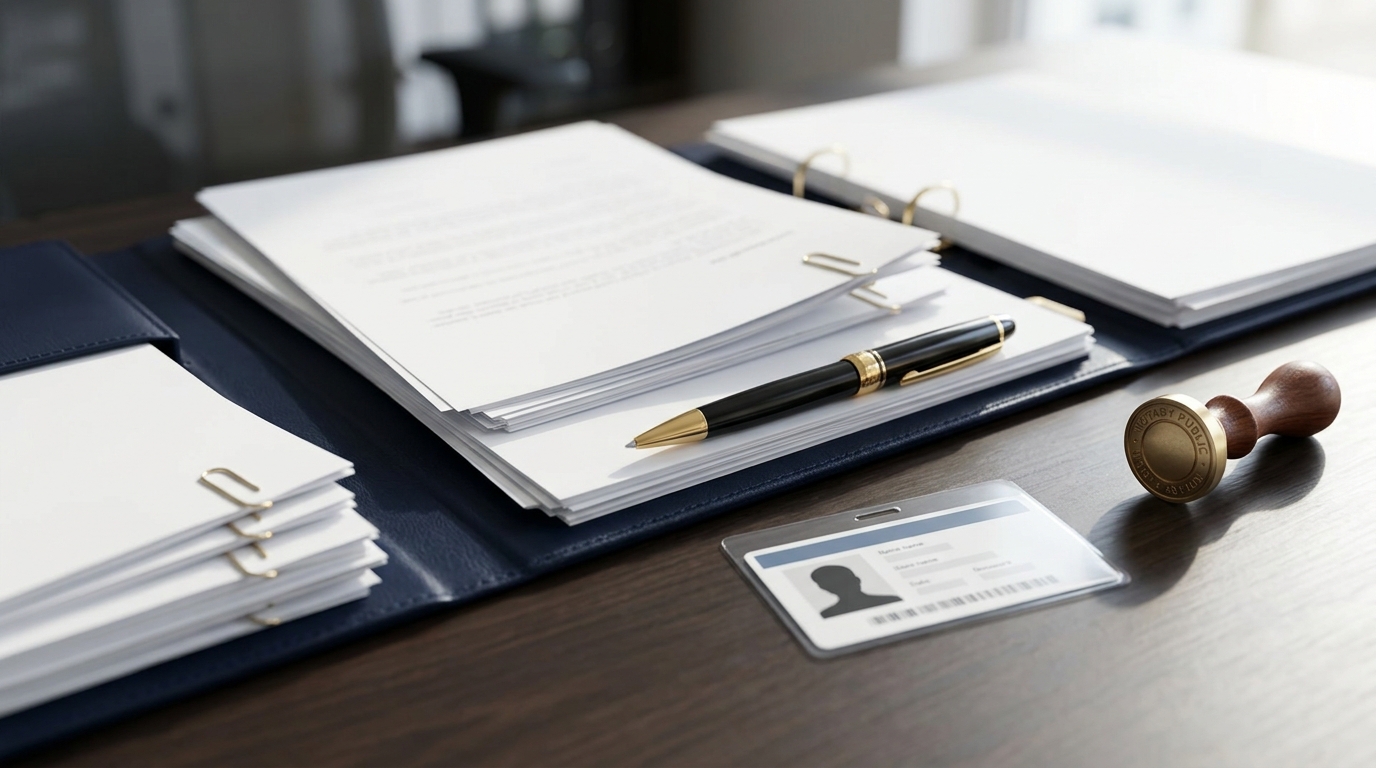


Preparing legal documents before visiting a notary can save time, reduce stress, and help prevent delays during the signing process. Many people arrive at a notary appointment with missing pages, expired identification, blank sections, or documents that were signed too early. These small mistakes can turn a simple appointment into a frustrating situation.
At Legal Express, we help individuals, families, and businesses understand how to organize important paperwork before moving forward. Notarization is often required for affidavits, powers of attorney, business forms, real estate documents, consent forms, sworn statements, and other important records. The process works best when your documents are complete, your identification is ready, and every signer understands what to expect.
This guide explains how to prepare your legal documents before visiting a notary, what items you should bring, and what common mistakes to avoid. The goal is simple: make your appointment smoother, faster, and more professional.
A notary public helps verify identity, witness signatures, and complete the required notarial certificate. However, a notary is not usually responsible for creating your document, choosing the correct form, explaining legal consequences, or telling you what legal decision to make. That is why preparation matters before you arrive.
If your document has missing information, unclear names, or blank spaces, the notary may not be able to proceed. If the document requires a witness and you arrive alone, the appointment may need to be rescheduled. Your ID is expired or does not match the name on the document, the notary may need additional verification or may refuse to complete the notarization.
Good preparation helps protect everyone involved. It helps the signer understand the document, helps the notary complete the process properly, and helps the receiving party accept the final paperwork without unnecessary questions.

Before visiting a notary, take time to understand what document you have and why it needs notarization. Common documents include affidavits, authorization letters, travel consent forms, powers of attorney, deeds, loan documents, business agreements, and certified statements. Each type of document may have different signing requirements.
For example, a power of attorney may require specific wording, witnesses, or special signing rules depending on the state or receiving institution. A real estate document may need to follow county recording requirements. A business authorization may need the correct company name, title, and representative signature. If you are unsure about the legal meaning of the document, you should contact a qualified attorney before signing.
One of the biggest mistakes people make is downloading a random form online and assuming it will work. A form that looks correct may not meet the requirements of the receiving office, bank, agency, school, court, or business. Before you sign anything, confirm that you are using the correct document version.
If a bank, government office, attorney, employer, or real estate professional requested the notarized document, ask them whether they require a specific form. This simple step can prevent rejected paperwork later.
Never treat notarization as just a stamp. Read the full document before your appointment. Check the spelling of names, addresses, dates, identification numbers, legal descriptions, business names, and signature areas. If the document contains statements you do not understand or disagree with, do not sign until you get proper guidance.
Notarization confirms parts of the signing process, but it does not automatically mean the document is legally correct, complete, or beneficial for you. Preparation gives you time to fix problems before you are sitting in front of the notary.
When preparing legal documents before visiting a notary, your checklist should include the document, valid identification, any required witnesses, and any special instructions from the receiving party. According to the National Notary Association, people should bring the completed document they want notarized, valid photo identification that meets state requirements, and any other individuals who must sign or witness the document. You can review their public guide here: National Notary Association guide on how to prepare for notarization.
Your identification is one of the most important parts of the appointment. In most cases, the notary must verify that you are the person named in the document. A driver’s license, passport, state ID, or other government-issued photo ID is commonly used, but rules vary by location. Your ID should be current, readable, and match the name on the document as closely as possible.
If your name recently changed because of marriage, divorce, adoption, or another legal reason, bring supporting documents if needed. If your document uses a middle name, suffix, business title, or former name, confirm whether the receiving party has special requirements.
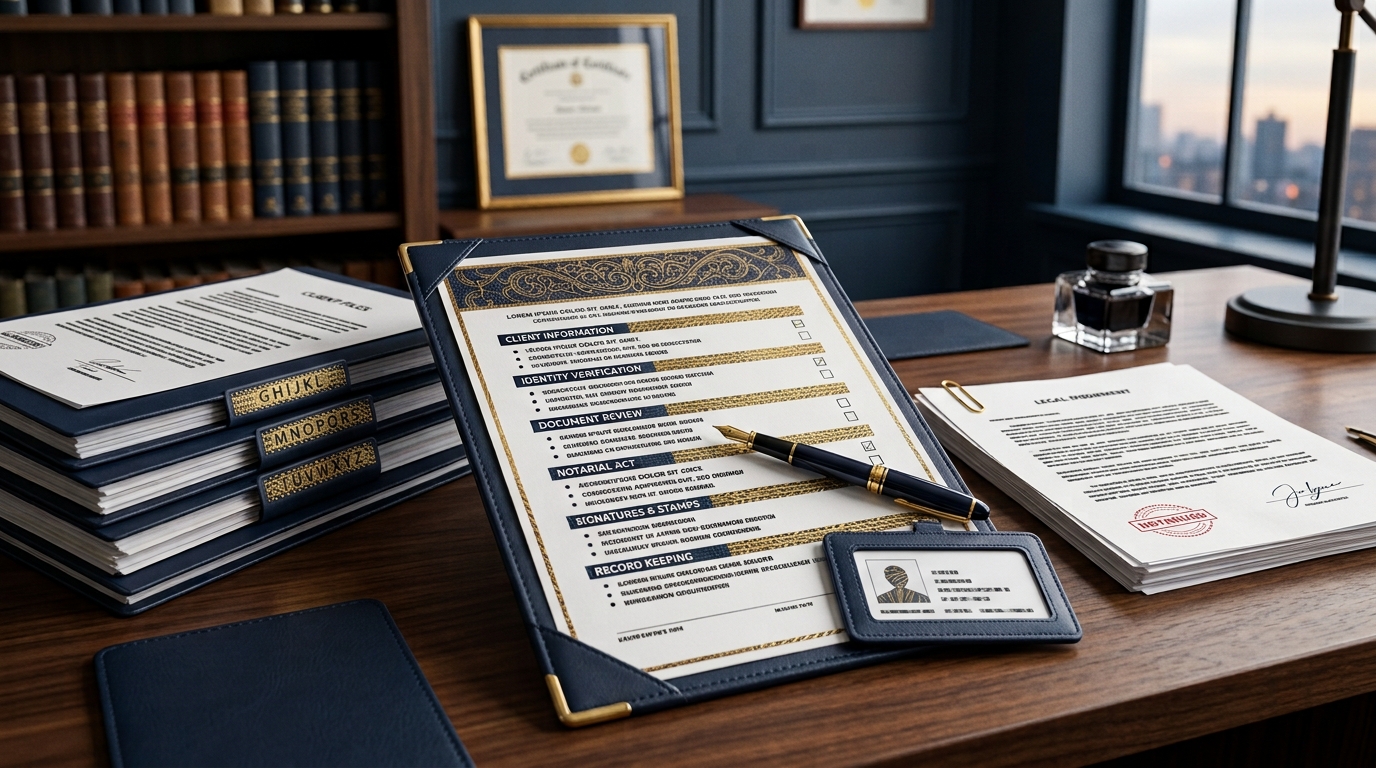
If more than one person must sign, all required signers usually need to be present with proper identification. If the document requires witnesses, ask whether the witnesses must be independent, whether they need identification, and whether the notary office can provide witnesses. Do not assume witnesses will automatically be available.
For family documents, real estate forms, travel consent letters, and powers of attorney, witness requirements can be especially important. Some documents are rejected not because the notary stamp is wrong, but because the signing process did not follow the document’s instructions.
Another common mistake is signing the document before meeting the notary. Many notarized documents must be signed in the presence of the notary. If you sign too early, the notary may require you to complete a new copy or re-sign under proper conditions.
If you are unsure, leave the signature line blank until the notary tells you to sign. You can still complete other sections of the document beforehand, but be careful with anything connected to the signature, oath, acknowledgment, or witness area.
Bring the entire document, not just the signature page. If your paperwork includes attachments, exhibits, identification copies, schedules, certificates, or supporting pages, keep them together. A missing page can create problems, especially for business documents, real estate records, sworn statements, or forms submitted to government offices.
It is also smart to bring extra copies when possible. If one page has an error or a signer uses the wrong line, a clean backup copy may save the appointment.
Legal Express provides notary and legal document services for clients who want a smoother paperwork experience. We help clients organize their documents, understand general preparation steps, and avoid common problems before the signing appointment.
Our role is to make the process more manageable. We can help you review whether your document appears complete, whether names and dates are consistent, whether signature areas are clear, and whether you may need to ask the receiving party for more instructions. This type of preparation can be especially helpful for people handling paperwork under time pressure.
For clients who are interested in digital signing options, you may also want to read our guide on remote online notarization. Online notarization can be convenient, but preparation is still required. Whether the appointment is in person or online, your paperwork needs to be complete, accurate, and ready.
Before your notary appointment, take a few minutes to check the basics. Is the document complete? Are all names spelled correctly? Is your ID valid? Are all required signers available? Are witnesses needed? Has the document already been signed? Do you know where the completed document must be submitted?
These questions may seem simple, but they can prevent delays and rejected documents. A notary appointment should not feel confusing or rushed. With the right preparation, you can walk in with confidence and complete the process more efficiently.
If you need help preparing legal documents before visiting a notary, contact Legal Express today. We provide professional document support focused on accuracy, clear communication, and reliable service.